
Loading…
Dr. Yoon's Specialties:Dental Implants•Oral Surgery•TMJ Treatment
Dr. Yoon's Specialties:Dental Implants•Oral Surgery•TMJ Treatment

A TMJ splint (also called an occlusal splint, stabilization splint, or night guard for TMJ) is a custom-fitted oral appliance designed to treat temporomandibular joint disorders. Worn over the teeth—typically at night—the splint repositions the jaw into a more relaxed position, reduces muscle tension, prevents teeth grinding (bruxism), and protects the teeth and joint from excessive forces. This conservative, non-invasive treatment effectively relieves jaw pain, clicking, headaches, and other TMD symptoms for most patients.
At BK Dental, our custom TMJ splints are precisely fabricated using digital impressions and carefully adjusted to achieve optimal jaw positioning for your specific condition. Unlike over-the-counter night guards, our therapeutic splints are designed specifically for TMJ disorder treatment, providing the proper positioning and support needed to reduce symptoms and promote healing. We monitor your progress with regular follow-up appointments and make adjustments as needed to ensure optimal results.
Book a ConsultationTMJ splint therapy is a conservative, non-surgical treatment for temporomandibular joint disorders (TMD). The splint—sometimes called an occlusal splint, stabilization splint, or bite guard—is a custom-made oral appliance fabricated from durable acrylic material. It fits precisely over either the upper or lower teeth and is worn primarily during sleep, though some patients may need to wear it during waking hours initially. The splint works through several mechanisms: it creates a stable platform for the jaw to rest in a relaxed position, prevents harmful contact between upper and lower teeth (stopping grinding and clenching), distributes bite forces evenly to reduce joint stress, and allows overworked jaw muscles to relax and heal. Over time, this reduces inflammation in the joint, decreases muscle tension and spasms, and alleviates associated symptoms like pain, clicking, headaches, and limited opening. TMJ splint therapy is often the first-line treatment for TMD because it's non-invasive, reversible, and effective for most patients.
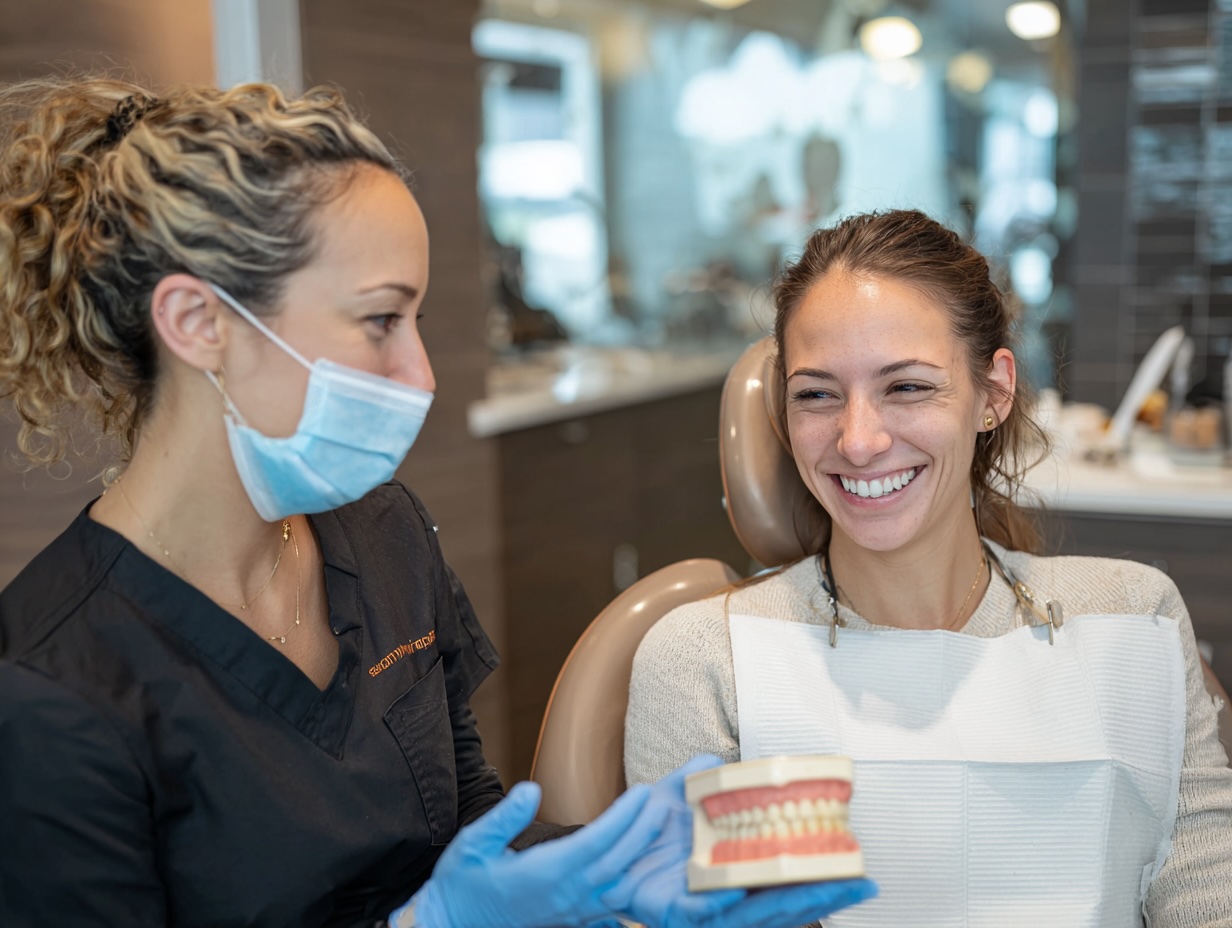
Thorough examination of your jaw joint, muscles, bite, and range of motion. We discuss your symptoms, medical history, and lifestyle factors. Digital X-rays or additional imaging may be taken to assess joint health.
Precise digital scans or impressions of your teeth are taken along with a bite registration that captures your jaw relationship. This data is used to fabricate a splint that fits perfectly and positions your jaw optimally.
Your splint is custom-fabricated from high-quality acrylic material in a dental laboratory. The splint design is chosen based on your specific diagnosis—whether stabilization splint, repositioning splint, or other type.
At your fitting appointment, the splint is carefully adjusted to ensure proper fit, comfort, and jaw positioning. We check your bite with the splint in place and make refinements until optimal positioning is achieved.
Regular follow-up appointments monitor your progress and allow for splint adjustments as symptoms improve. We track changes in jaw function, pain levels, and overall TMD symptoms to optimize your treatment.
Most patients adapt to wearing their TMJ splint within 1-2 weeks. Initially, you may notice increased saliva production and slight speech changes, both of which resolve quickly as you adjust. The splint should feel snug but comfortable—not painful. If you experience discomfort, contact us for adjustment. Many patients notice some symptom improvement within the first few weeks, though maximum benefit typically develops over 2-3 months of consistent wear. It's essential to wear the splint as directed, typically every night, to achieve optimal results. During follow-up visits, we'll assess your progress and make any necessary adjustments to the splint.
The cost of TMJ splint therapy varies based on the type of splint required and complexity of your case. Custom therapeutic splints for TMJ treatment are more sophisticated than basic night guards and are priced accordingly. Many dental insurance plans provide partial coverage for TMJ splints when medically necessary. Our team will verify your coverage and provide a detailed estimate before treatment. We also offer flexible payment options to make treatment accessible.

BK Dental provides expert TMJ splint therapy at both our Scarborough (416-490-1264) and Richmond Hill (905-889-4567) locations. If you suffer from jaw pain, clicking, grinding, or other TMD symptoms, a custom TMJ splint may provide the relief you need. We offer comprehensive TMJ evaluations to determine if splint therapy is right for you, and we'll create a personalized treatment plan to address your specific condition. Contact us to schedule your TMJ consultation.
Schedule your consultation today and take the first step toward better oral health.