
Loading…
Dr. Yoon's Specialties:Dental Implants•Oral Surgery•TMJ Treatment
Dr. Yoon's Specialties:Dental Implants•Oral Surgery•TMJ Treatment

An apicoectomy is a microsurgical procedure that removes the infected tip of a tooth root (apex) when root canal treatment alone has not resolved the infection. Retrofilling is the critical final step where a biocompatible material seals the root canal from the bottom, preventing bacteria from re-entering. Together, these procedures save teeth with persistent infections while preserving your natural tooth structure.
At BK Dental, we perform expert apicoectomy and retrofilling procedures using microsurgical techniques and advanced materials like MTA (mineral trioxide aggregate). When standard root canal treatment cannot fully resolve infection due to complex anatomy, calcified canals, or persistent disease at the root tip, this surgical approach provides a second chance to save your natural tooth. Our experienced team has performed hundreds of successful endodontic surgeries at our Scarborough and Richmond Hill clinics.
Book a ConsultationApicoectomy, also known as root-end surgery, apical surgery, or periradicular surgery, is an endodontic microsurgical procedure designed to eliminate infection that persists at the tip of a tooth root despite previous root canal treatment. During the procedure, the dentist makes a small incision in the gum tissue to directly access the root tip, removes approximately 3 millimeters of the infected root apex along with any surrounding diseased tissue, and then prepares the remaining root end with precision ultrasonic instruments. The retrofilling phase completes the treatment by placing a biocompatible sealing material—typically MTA (mineral trioxide aggregate)—into the prepared root end, creating an impenetrable barrier that prevents bacteria from the canal system from reaching the surrounding bone and tissue. This dual approach addresses infection from the surgical end when conventional treatment through the crown of the tooth has been unsuccessful, offering success rates of 85-95% with modern techniques.
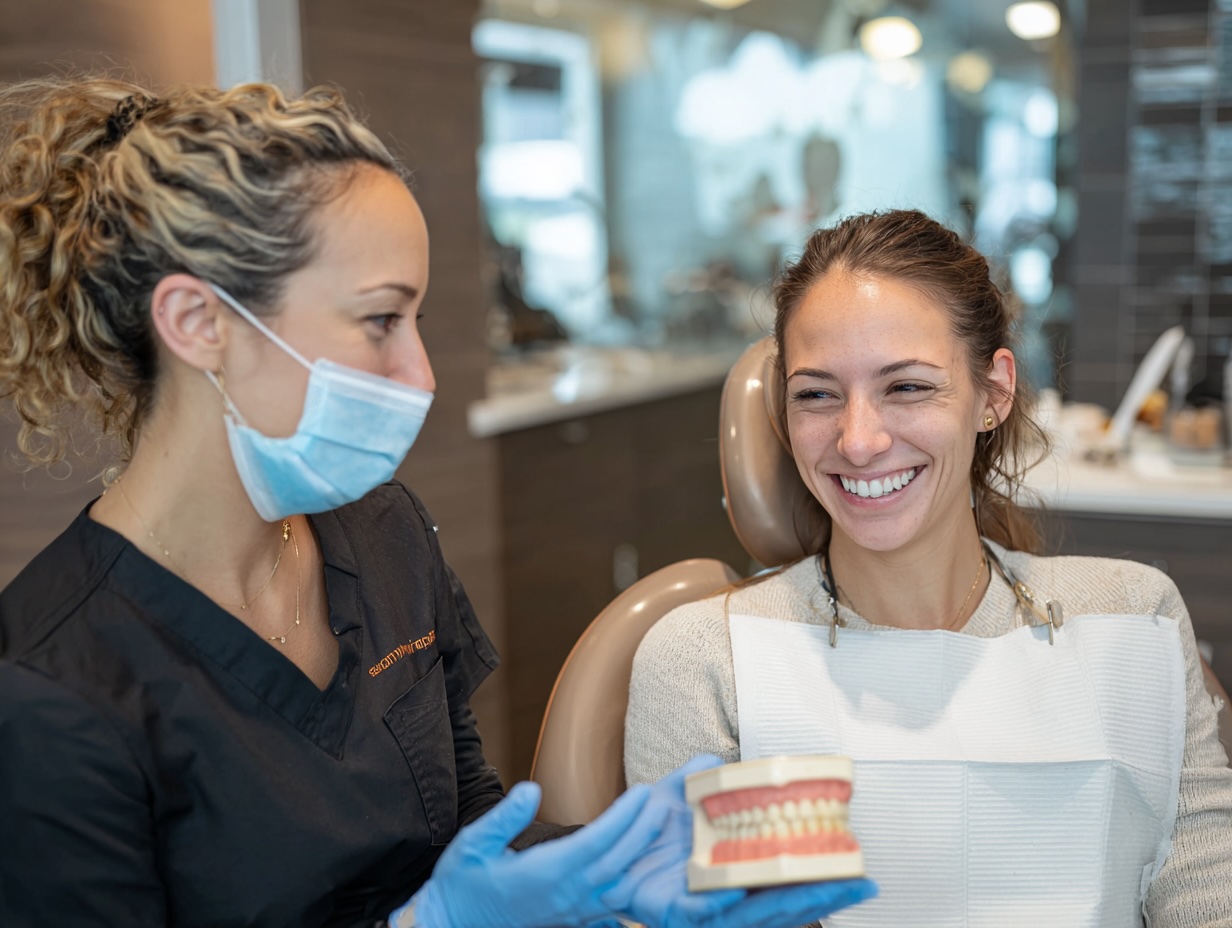
Detailed 3D CBCT scan or digital X-rays precisely locate the infection, map root anatomy, and identify proximity to nerves and sinuses. This imaging guides surgical approach and identifies any anatomical challenges.
The surgical area is thoroughly numbed with local anesthesia for a comfortable, pain-free procedure. A small incision is made in the gum tissue to create a flap, exposing the root tip and surrounding infected area.
Using microsurgical instruments and magnification, approximately 3mm of the infected root tip is carefully removed. All surrounding granulation tissue, cysts, or infected material is thoroughly cleaned from the surgical site.
Ultrasonic instruments create a precise preparation in the remaining root end. MTA (mineral trioxide aggregate) or similar biocompatible material is placed to seal the root canal from the bottom, creating a permanent barrier against bacteria.
The gum tissue is repositioned and secured with sutures. Post-operative instructions are provided. Healing begins immediately as the biocompatible retrofilling material promotes bone regeneration around the surgical site.
Recovery from apicoectomy is typically straightforward with proper care. Swelling and mild discomfort are normal during the first 2-3 days, peaking around 48 hours before gradually subsiding. Ice packs applied during the first 24 hours significantly reduce swelling. Prescribed pain medication and sometimes antibiotics manage symptoms effectively. Most patients describe discomfort as less than expected. Sutures are removed at your follow-up appointment, typically 7-10 days after surgery. Most patients can return to desk work the next day, though physical labor should be avoided for several days. Complete bone healing around the surgical site occurs over 3-6 months, monitored with follow-up X-rays.
The cost of apicoectomy with retrofilling varies based on several factors including tooth location, complexity of the root anatomy, and extent of infection. Front teeth with single roots are generally less complex than molars with multiple roots. While apicoectomy is a specialized surgical procedure, it is often significantly more cost-effective than the alternative of extraction followed by dental implant placement. Most dental insurance plans provide partial coverage for endodontic surgery. Our team provides detailed treatment estimates and works directly with insurance providers to maximize your benefits. We also offer flexible payment options to make this tooth-saving procedure accessible.

BK Dental provides expert apicoectomy and retrofilling services at both our Scarborough (416-490-1264) and Richmond Hill (905-889-4567) clinics. If you have been told your root canal treated tooth still has infection, or you are experiencing persistent pain or swelling around a previously treated tooth, we can evaluate whether apicoectomy is the right option to save your natural tooth. Our team will thoroughly assess your case with advanced imaging, explain all treatment options, and develop a personalized surgical plan. We welcome referrals from other dental offices for complex endodontic surgery cases.
Schedule your consultation today and take the first step toward better oral health.